Curated by Simeen Anjum
When I moved to the United States two years ago from a small settlement on the outskirts of New Delhi, India, one of the most profound changes I experienced was in my perception of time. In India, days and nights felt like long, unhurried stretches. Time was fluid, almost atmospheric. But in Portland, my days quickly became segmented: measured out in 60-minute blocks and seven-day cycles. Suddenly, time had to be managed, optimized, scheduled. How many hours should I sleep tonight? Six? Seven? Eight? Time had become something to account for, something to spend, measure, and monitor.
This cultural shift sparked my deeper inquiry into time, rest, and sleep within the context of late capitalism. I began to notice how contemporary society, driven by technology, productivity and globalized labor system has reshaped our perception of time. Drawing from Jonathan Crary’s 24/7: Late Capitalism and the Ends of Sleep and Alan Lightman’s In Praise of Wasting Time, the exhibition reflects on how late capitalism disrupts the natural rhythms that once structured our lives. The boundaries between day and night, work and rest, presence and absence have eroded—leaving little room for idleness, unstructured thought, or solitude. We are expected to be constantly available, constantly producing, while the mental and creative benefits of stillness are increasingly devalued.
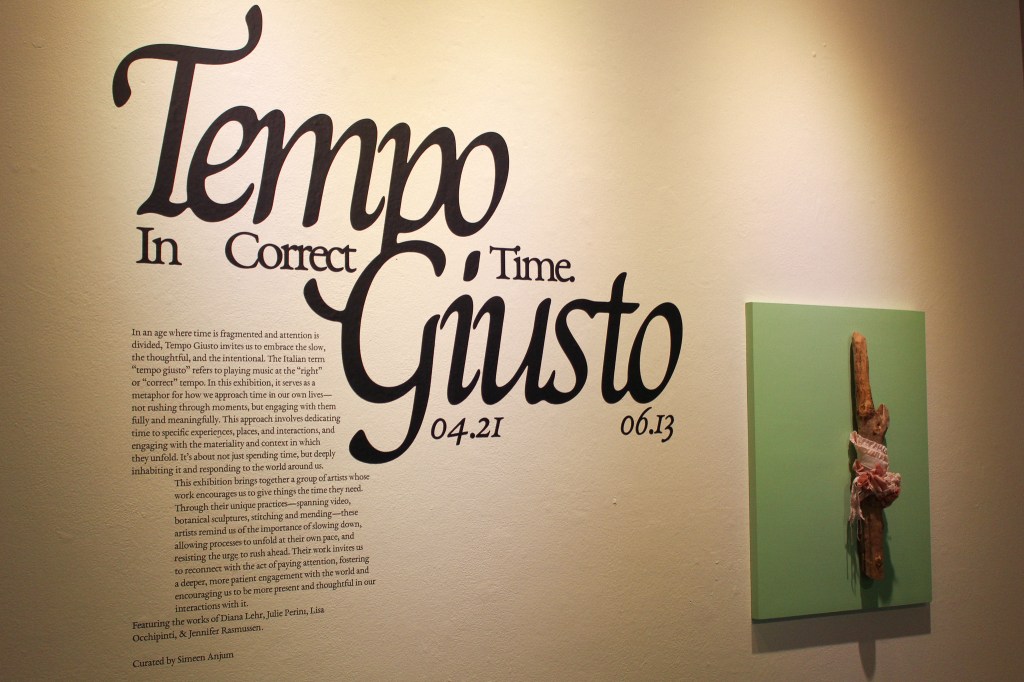
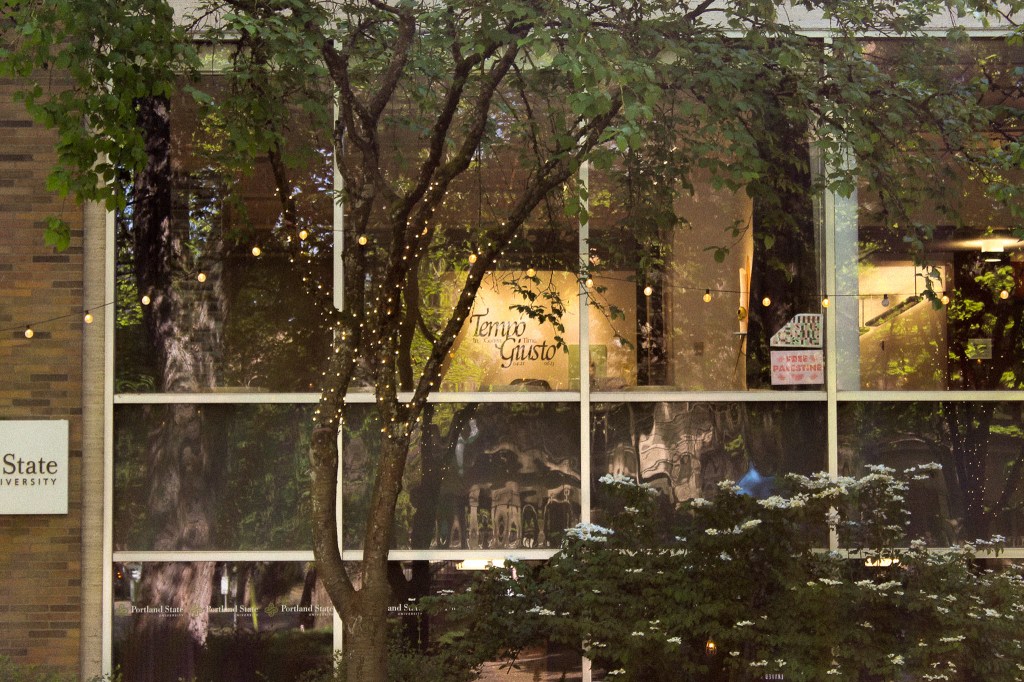
As the curator at Littman and White Galleries, located within Portland State University, I wanted to open a conversation about this transformation. Time felt especially relevant in the Spring term—the so-called “quickest 10 weeks of the year” for students on campus. In response, I curated Tempo Giusto: In Correct Time, an exhibition that explored alternative relationships to time and invited artists whose practices intentionally resist the pressures of acceleration.
Rather than rely on binaries like “fast” or “slow,” which are often co-opted by the very systems being critiqued, Tempo Giusto proposed something else: a practice of living and creating in alignment with one’s own rhythm. The Italian phrase, often used in music, translates to “the right time”—a tempo that feels attuned and appropriate, rather than forced. This approach involves dedicating time to specific experiences, places, and interactions, and engaging with the materiality and context in which they unfold. It’s about not just spending time, but deeply inhabiting it and responding to the world around us.
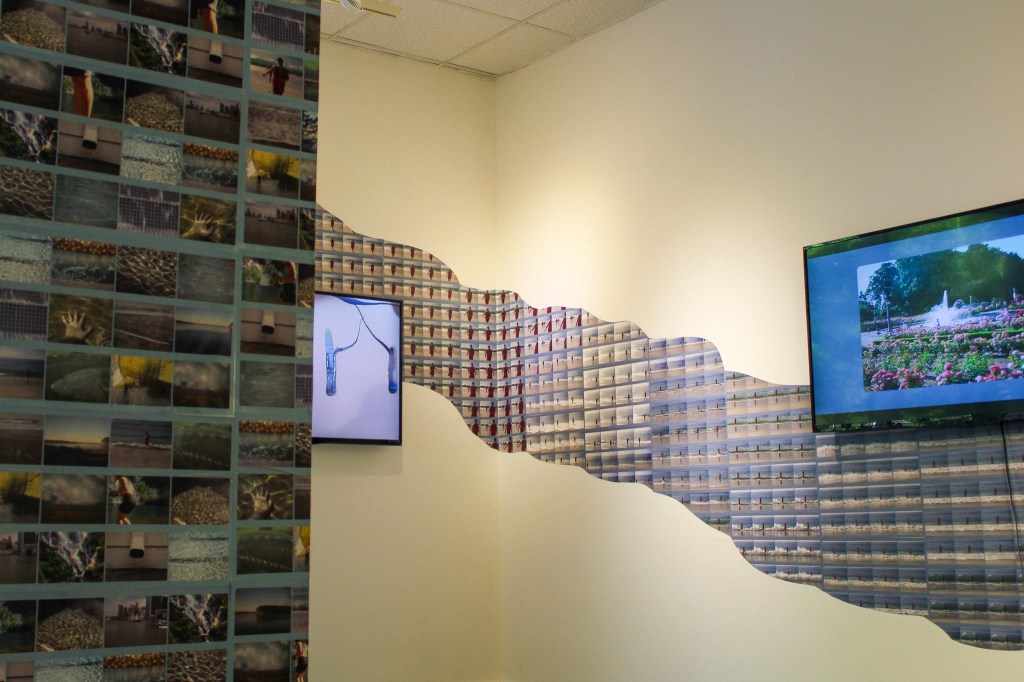
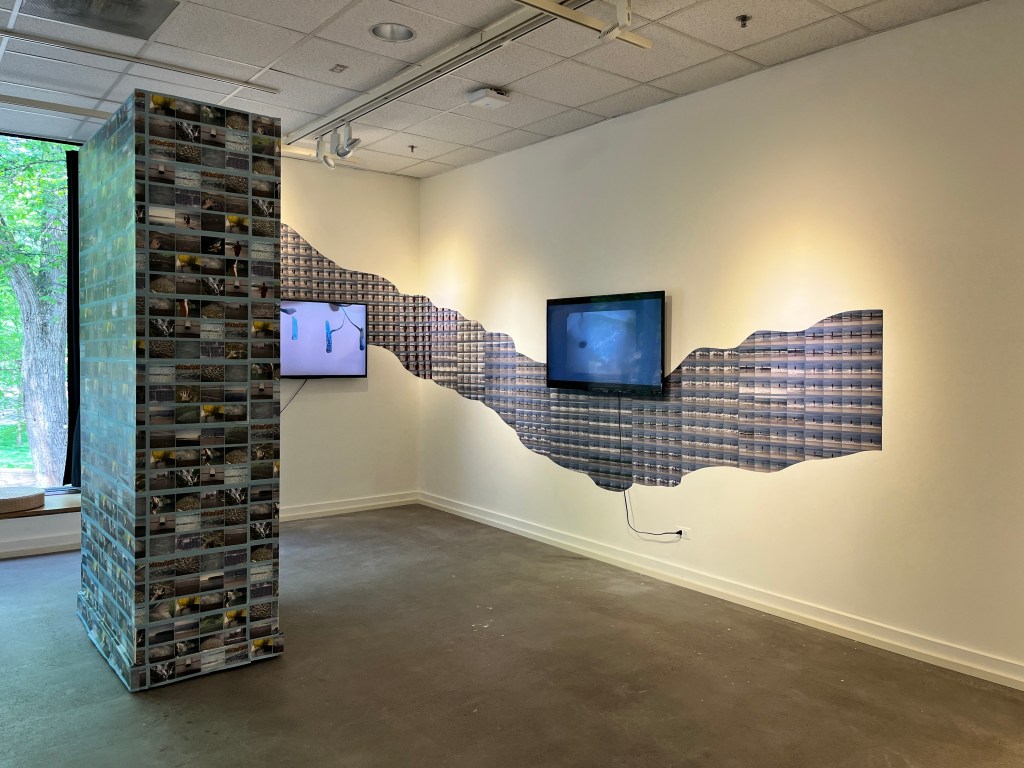
The exhibition featured five artists whose work embodies this sensibility. Julie Perini presented selections from Minute Movies, a daily practice she began in 2011. Every day, Perini creates a 60-second, single-take video—documenting the mundane, the meditative, the fleeting. Over time, this ritual has become a mindfulness exercise, an archive, and a creative space free from pressure or performance.
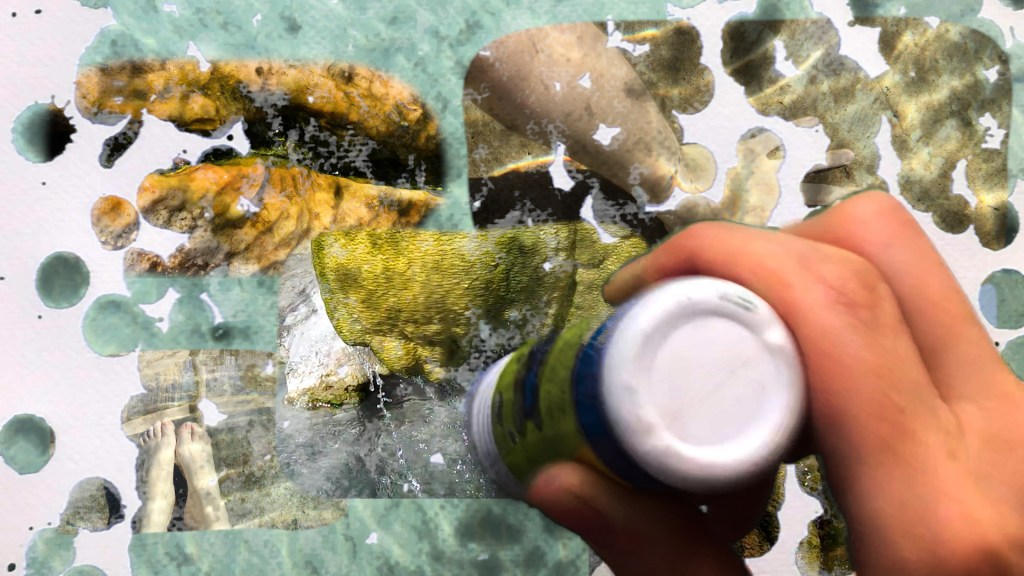
Another featured artist, Diana Lehr from Hawai’i, contributed video works that manipulate time- either stretching or compressing it—to reveal otherwise invisible aspects of everyday experience. In her Worlding series, Lehr focuses on subtle natural phenomena: the shimmer of wind-blown grasses, the transformation of tide pools, the soft blinking of fireflies. Her videos ask us to linger, to look again. Time here is not background; it is an active agent shaping perception and emotion.
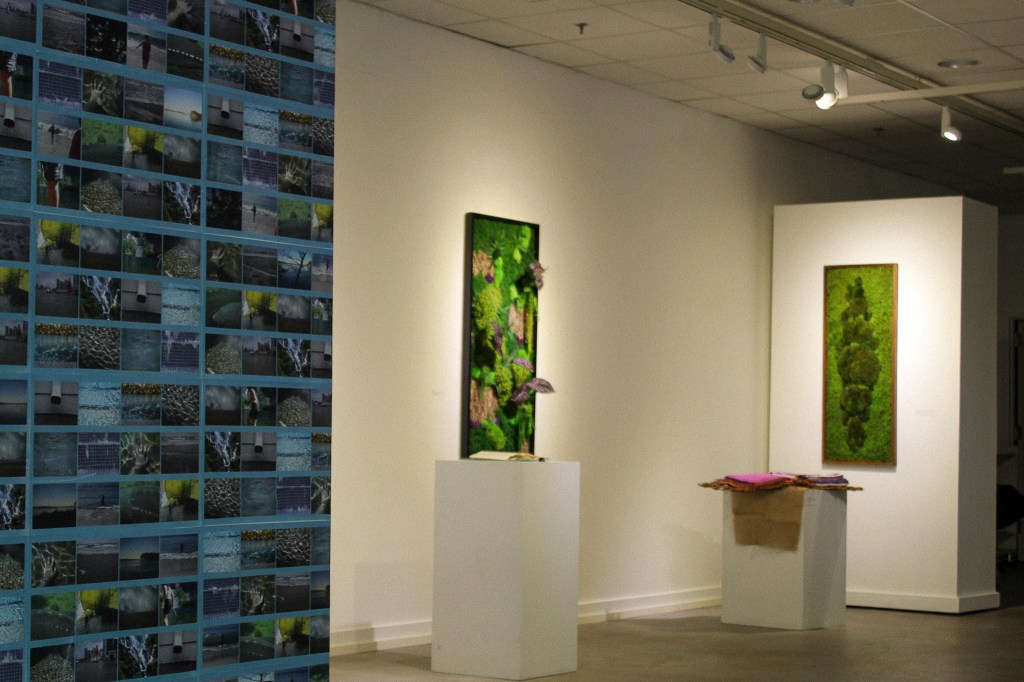
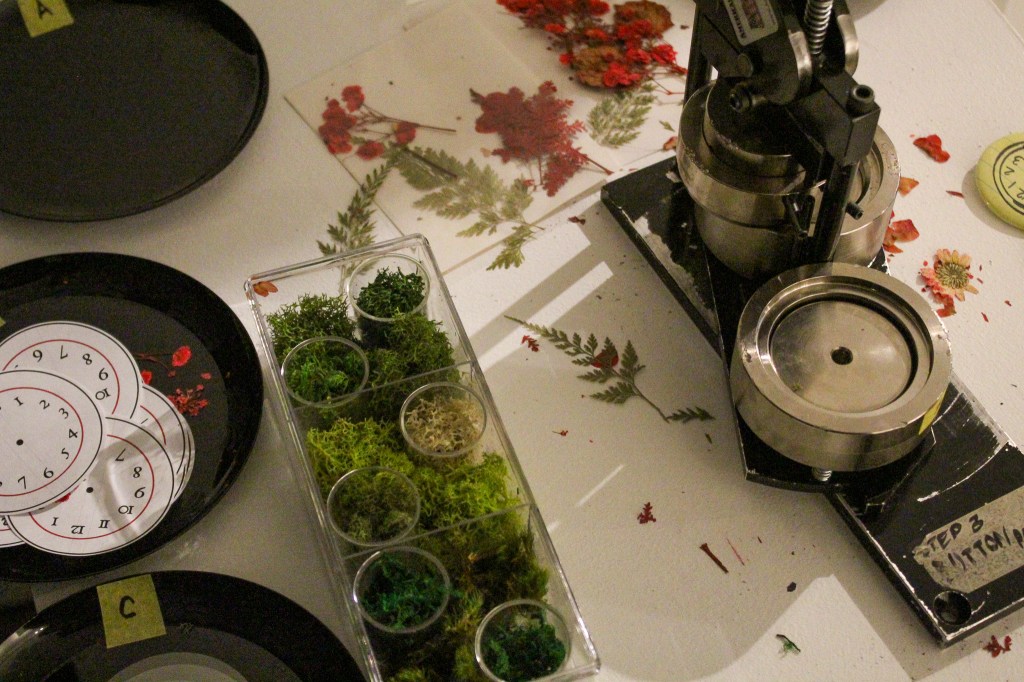
The exhibition also included work by Jennifer Rasmussen, a local florist and small business owner based just outside Portland. We exhibited her wall panels made from living moss—a material deeply connected to Portland’s rainy climate and lush ecology. Her work is slow by necessity; moss grows gradually, and arranging it into a living composition requires patience and ongoing care. Her practice offered a grounded, tactile counterpoint to the digital and screen-based works, reminding us of the natural tempos embedded in local landscapes.
Tempo Giusto was not just about slowing down. It was about asking what it means to live in the “right” time, rather than the expected one. The exhibition invited viewers to reconsider their own relationship to time and offered models for creative resistance in a world that rarely pauses.
This approach involves dedicating time to specific experiences, places, and interactions, and engaging with the materiality and context in which they unfold. It’s about not just spending time, but deeply inhabiting it and responding to the world around us.
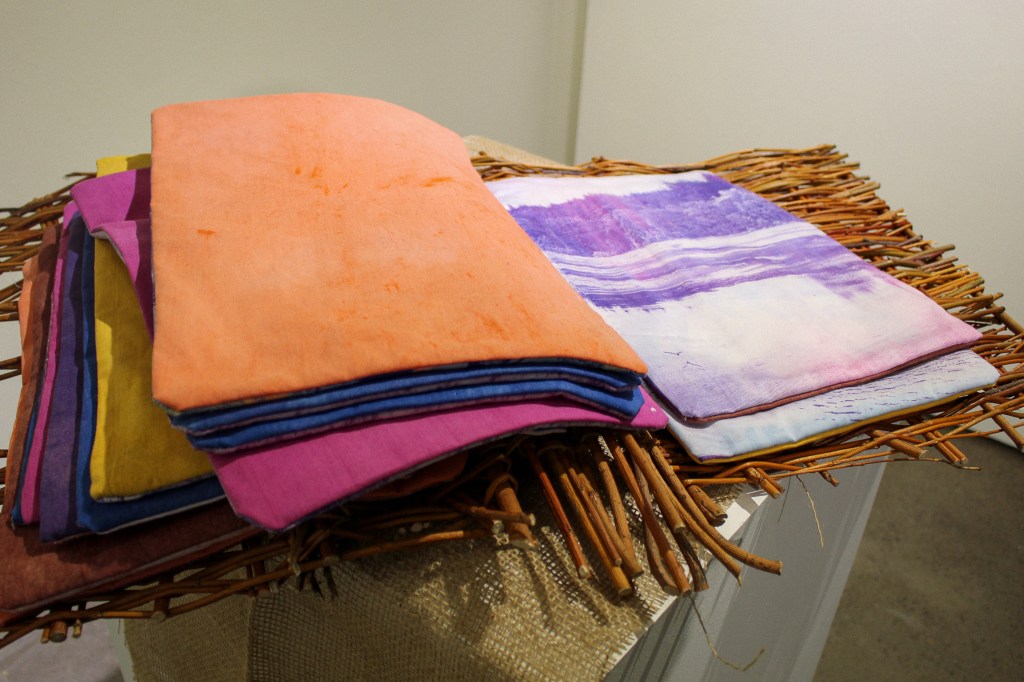
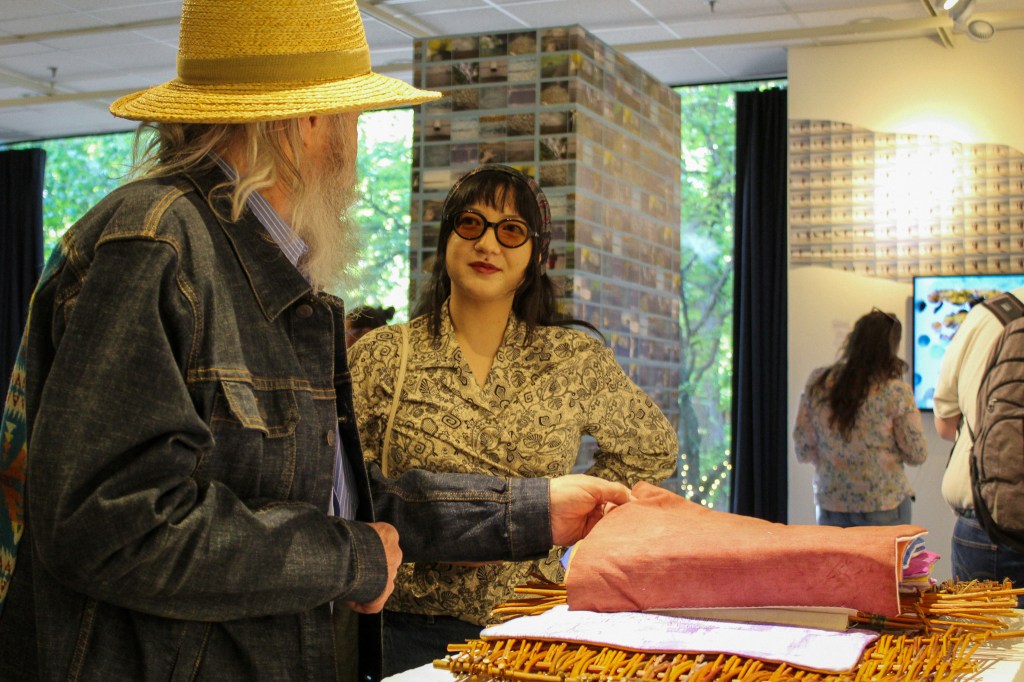
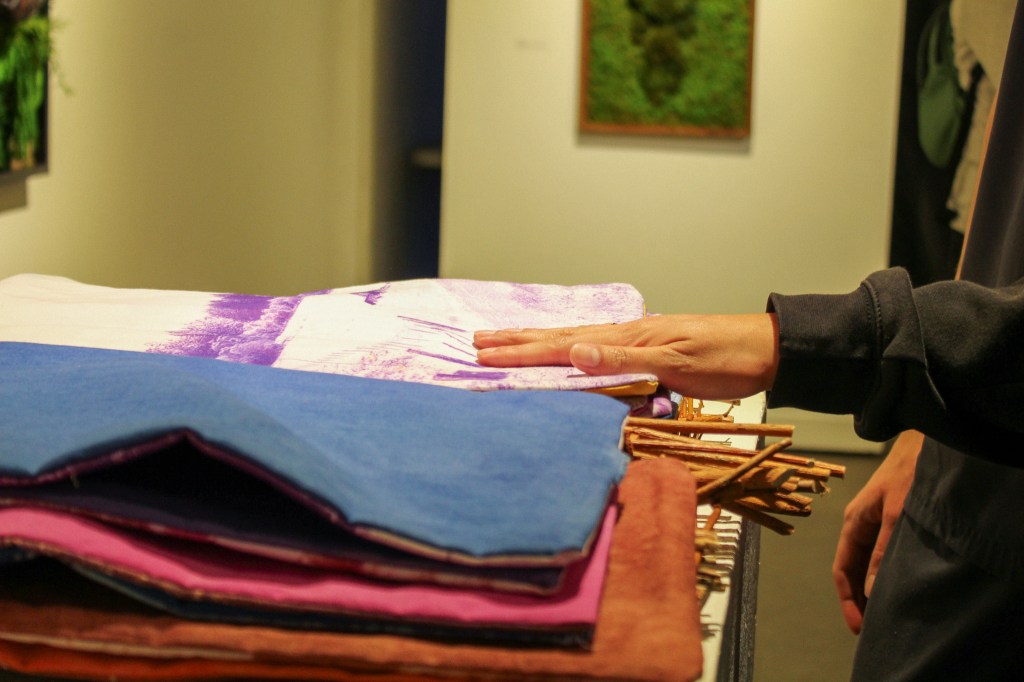
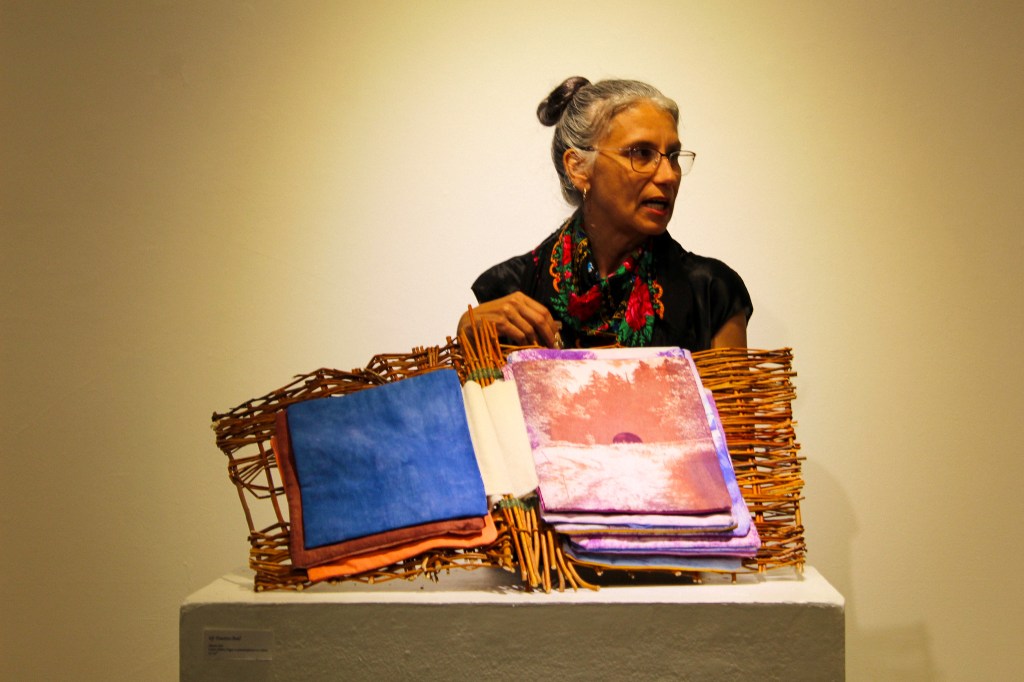
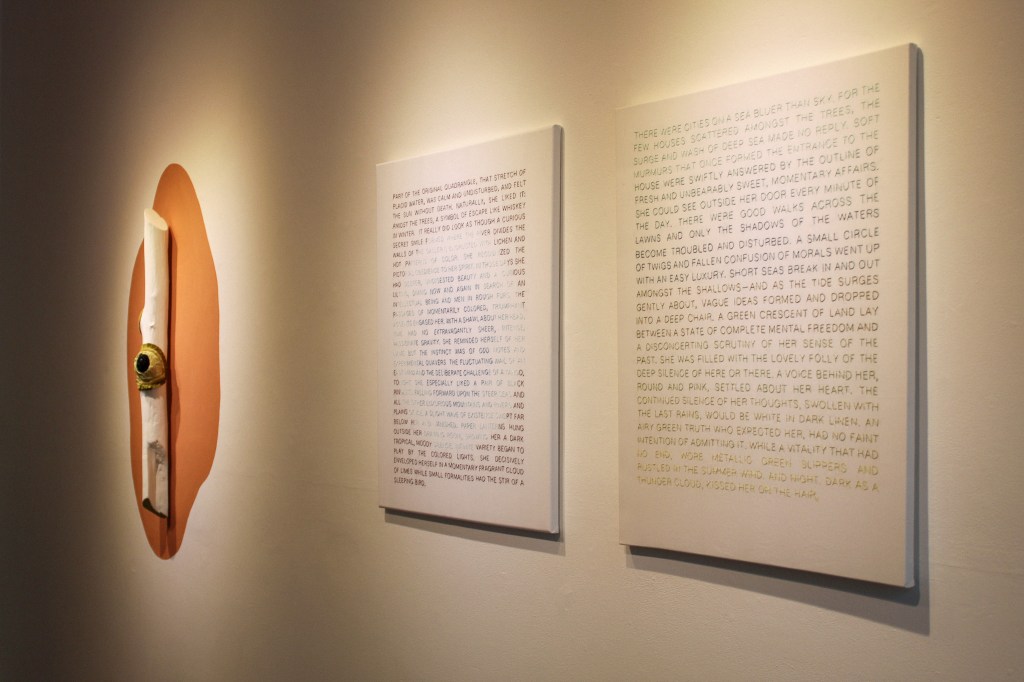
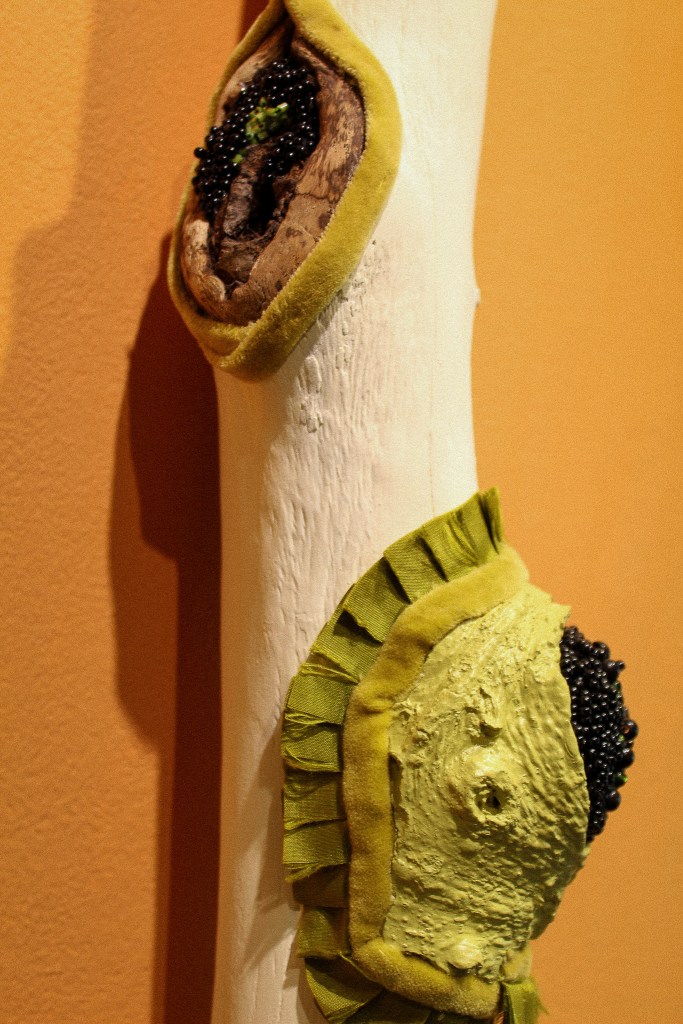
This exhibition brings together a group of artists whose work encourages us to give things the time they need. Through their unique practices—spanning video, botanical sculptures, stitching and mending—these artists remind us of the importance of slowing down, allowing processes to unfold at their own pace, and resisting the urge to rush ahead. Their work invites us to reconnect with the act of paying attention, fostering a deeper, more patient engagement with the world and encouraging us to be more present and thoughtful in our interactions with it.
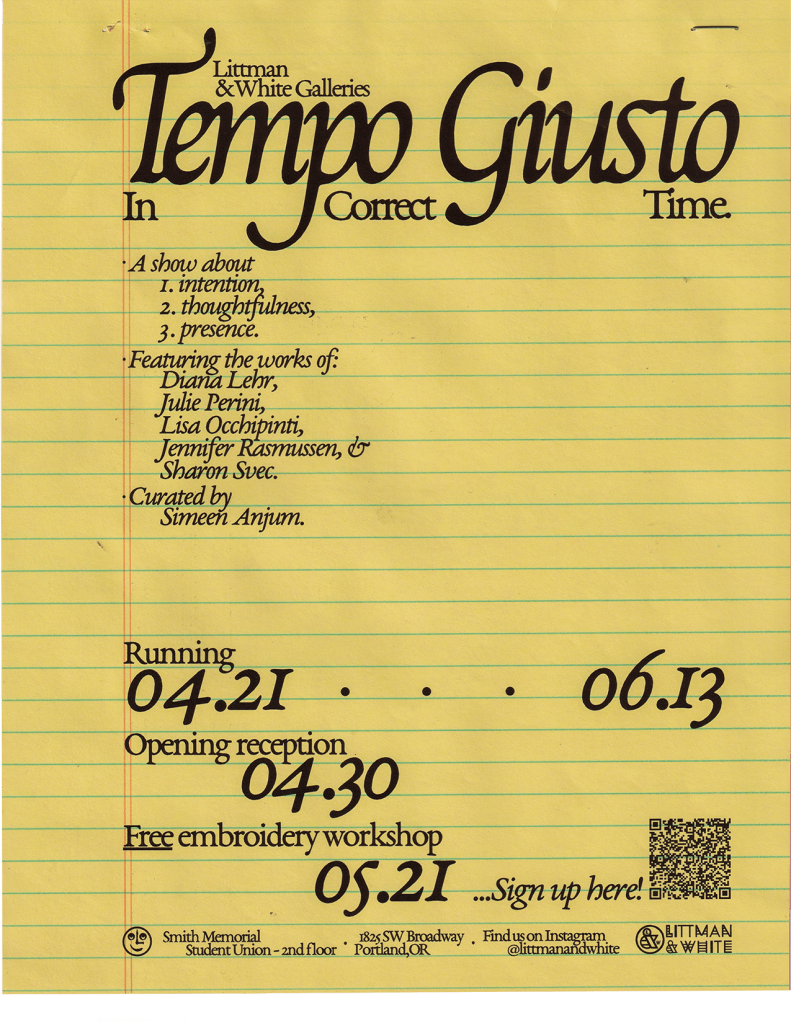
Featuring the works of Diana Lehr, Julie Perini, Lisa Occhipinti, Sharon Svec & Jennifer Rasmussen
Littman Gallery, Portland OR, USA
21 April, 2025 – 13 June, 2025


 simeenanjum.com